Slim sliding door systems have become a preferred architectural feature in modern homes and commercial spaces. Their minimalist frames, expansive glass panels, and smooth operational mechanisms contribute to a seamless indoor–outdoor connection and an elegant, contemporary aesthetic. However, choosing the right system requires more than picking a visually appealing design—you must evaluate performance, durability, safety, and long-term value.
A high-quality slim sliding door system represents a significant investment. Therefore, understanding what to look for ensures you get excellent functionality, longevity, and energy efficiency while achieving the architectural style you envision. This article explores the key factors to consider when selecting durable slim sliding door systems.
Durability as the Core Requirement
Durability is arguably the most crucial factor when evaluating sliding door systems. Slim frames can create the impression of fragility, but advanced engineering and high-grade materials have made it possible to achieve strength without bulk. To ensure long-term performance, start by examining the structural strength of the frame, the load-bearing capability of the tracks, and the weather resistance of all components.
A durable system will withstand constant usage, environmental stressors, and temperature fluctuations without warping, bending, or deteriorating. Since sliding doors are often installed in high-traffic areas or exposed positions such as patios, terraces, and balcony exits, durability becomes directly tied to safety and cost-efficiency over time.
Material Quality and Construction
The material of the frame determines both the aesthetic qualities and the longevity of your sliding door system. Most slim sliding doors use aluminum due to its combination of strength, light weight, and corrosion resistance.
Aluminum as the Preferred Frame Material
Aluminum’s structural integrity makes it ideal for slim-profile frames that must hold large glass panels. Engineered aluminum profiles allow for minimal sightlines without compromising safety. They also resist rust, swelling, and warping—issues that commonly affect timber or lower-grade metals in humid or coastal environments.
High-quality aluminum frames are often thermally broken, which improves insulation and prevents condensation from forming. Look for systems that specify aerospace-grade or architectural-grade aluminum for maximum performance.
Reinforcement and Craftsmanship
While material is important, construction quality matters just as much. Premium systems integrate reinforced joints, precision welding, and internal stiffeners that support larger spans. The craftsmanship of the frame ensures both stability and smooth sliding performance, particularly under extended use.
NOTE:- The demand for Slim Sliding Doors In UAE had grown due to their sleek design and efficient performance. They had helped create open, connected living areas while maintaining privacy when needed. Anyone who had aimed to upgrade their property with these features had been encouraged to consult Doorman System for expert support.
Glass Specifications and Safety Standards
Because slim sliding door systems primarily consist of glass, the type of glass used has a tremendous impact on overall durability, safety, and energy efficiency.
Safety Glass Options
Two types of safety glass dominate sliding door construction:
Tempered glass This glass is heat-treated to increase strength. If broken, it shatters into rounded, less dangerous fragments. Tempered glass is ideal for large, slim-frame panels that require additional load-bearing capabilities.
Laminated glass This glass consists of two or more layers bonded with an interlayer. Laminated glass maintains its structure even when cracked, preventing the glass from collapsing. It also offers sound insulation and UV protection.
The best sliding door systems often combine both: laminated glass for safety and noise control, and tempered glass for enhanced strength.
Thickness and Performance
Glass thickness influences stability and insulation. For slim sliding doors, a thickness of 8mm to 12mm is common, but high-performance systems may use double- or triple-glazed options for improved thermal efficiency.
In regions with extreme weather or high wind loads, thicker or specially engineered glazing may be required to prevent flexing or vibration.
Frame Design and Sightline Optimization
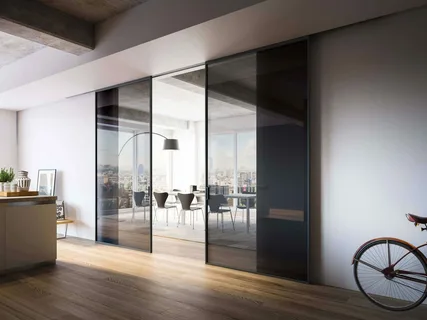
One of the defining characteristics of slim sliding door systems is their narrow frames, which allow for uninterrupted views and greater natural light.
Minimal Sightlines Without Compromising Strength
When comparing systems, pay close attention to sightline measurements. Slimmer profiles are attractive, but structural integrity should not be sacrificed. High-quality systems achieve sightlines as narrow as 20mm to 40mm while still supporting large, heavy glass panels.
Ask manufacturers for load and wind-resistance performance data. True slim systems will showcase engineering that reinforces strength through high-grade alloys, precision assembly, and robust track mechanisms rather than thicker visible frames.
Track System Engineering and Smooth Operation
Track and roller mechanisms directly influence user experience, longevity, and the stability of the sliding door.
Multi-Track Systems
Depending on your opening size, multi-track systems enable multiple panels to slide simultaneously, creating wider entryways. Look for systems designed with stainless steel or anodized aluminum tracks that resist corrosion and deformation.
High-Quality Rollers and Bearings
Top-performing sliding door systems use:
Stainless steel rollers
Ball-bearing mechanisms
Anti-lift protection features
Low-friction coatings for silent operation
The rollers should move effortlessly, even when supporting heavy laminated or double-glazed panels. A reliable system maintains smooth operation for years without sticking, scraping, or requiring frequent lubrication.
Flush Threshold Options
A flush or low threshold enhances accessibility and visual continuity between indoor and outdoor spaces. Ensure the threshold includes drainage solutions to prevent water pooling, especially for exterior installations.
Weather Resistance and Environmental Protection
Since many slim sliding doors open to outdoor areas, weather resistance is essential for maintaining performance and avoiding long-term damage.
Thermal Performance and Insulation
Look for thermally broken frames, insulated glazing, and weatherstripping technology. These features ensure the system performs well in both hot and cold climates, reducing energy bills and protecting indoor comfort.
Air and Water Tightness
A durable system must withstand heavy rainfall, wind pressure, and humidity. Check the door’s performance ratings for:
Water penetration resistance
Air leakage
Wind load capacity
Premium systems often include EPDM gaskets, double-sealed edges, and precision-fit components that keep the interior protected.
Security Features and Locking Mechanisms
While slim sliding doors emphasize aesthetics, they must also prioritize safety.
Multi-Point Locking Systems
A high-quality system should include multi-point locks that secure the door at several positions along the frame. This prevents forced entry and improves air tightness.
Anti-Lift Protection
Anti-lift devices ensure that panels cannot be lifted off their tracks from the outside. This security measure is particularly important for ground-level installations.
Impact-Resistant Glass
Laminated glass’s ability to stay intact even when cracked adds a critical layer of protection against break-ins and accidental impacts.
Energy Efficiency and Sustainability
Energy-efficient sliding doors contribute to environmental sustainability and lower monthly energy costs.
Low-E Coatings and Double Glazing
Low-emissivity (Low-E) glass reduces heat transfer, improving insulation without blocking natural light. Double- or triple-glazed options further enhance energy efficiency.
Sustainable Materials
Aluminum is highly recyclable, making it a sustainable choice for eco-conscious homeowners. Some manufacturers also incorporate recycled content in their frames or adopt environmentally responsible production methods.
Installation Quality and Professional Expertise
Even the most advanced sliding door system will underperform if incorrectly installed. Professional installation ensures that:
Tracks are perfectly aligned
Panels move smoothly
Weather seals function correctly
Structural safety standards are met
Look for certified installers or manufacturers that provide trained installation teams. Proper setup extends the lifespan of the system and preserves manufacturer warranties.
Maintenance Requirements and Long-Term Care
Slim sliding door systems are designed for durability, but regular maintenance ensures peak performance. Systems with high-quality components will require minimal upkeep beyond simple cleaning and occasional lubrication.
Check whether:
Rollers are accessible for maintenance
Tracks can be easily cleaned
Replacement parts are available
Selecting a system with long-term support options and dependable customer service helps protect your investment.
Aesthetic Integration With Architectural Style
While functionality and durability come first, aesthetics are equally important. The sliding door system should complement the architectural style of your space.
Customization and Finishes
High-end systems offer a variety of finishes, including:
Anodized aluminum
Powder-coated colors
Wood-effect options
Customizable handles, frame colors, and panel configurations ensure the system blends seamlessly with interior themes.
Configuration Flexibility
Different sliding configurations—such as corner sliders, pocket sliders, or multi-panel telescopic systems—provide design flexibility. Choose a configuration that matches your spatial needs and desired functionality.
Conclusion
Selecting a durable slim sliding door system involves a careful evaluation of materials, engineering, safety features, energy efficiency, and installation quality. The ideal system should combine minimalistic aesthetics with high performance, providing long-term value and enhancing your space with natural light and smooth functionality.
By focusing on essential aspects such as aluminum frame quality, glazing specifications, track and roller durability, weather resistance, and security features, you can ensure that your sliding door system not only looks elegant but also performs reliably for years. A well-chosen system transforms both the functionality and appearance of your space, making the investment worthwhile.