
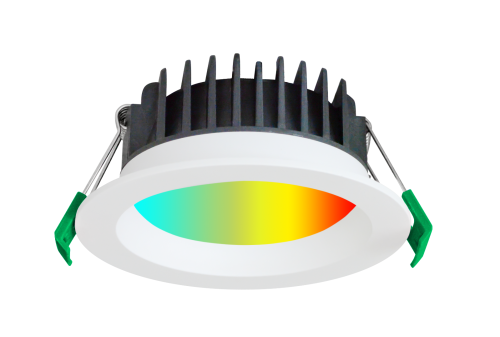
If you’re setting up smart lighting at home, you’ve probably seen the term zigbee downlight. It’s a simple but powerful choice for anyone who wants to control lights using an app or voice command. These smart lights work well with most smart home systems and help you get the kind of lighting that suits your mood, task, or room.
Instead of changing light bulbs again and again or dealing with multiple switches, these lights make it all much easier. All you need is a Zigbee-compatible hub and the right kind of downlight.
What Makes Smart Downlights Useful?
Smart downlights aren’t just about changing colors. They give you full control over brightness, warmth, and even schedules. You can dim the lights before bed, switch to white light for working, or change to warmer tones when relaxing.
This helps you save power and even improves comfort at home. For example, you can program the lights to switch off at night or turn on just before you come home.
Most smart downlights are made to last for years. Once they’re in, you don’t have to worry about replacing them any time soon.
How Zigbee Lights Are Different From Wi-Fi Lights
- No Wi-Fi needed: Zigbee lights use a separate hub, so they don’t crowd your home internet.
- Faster response: Commands reach the lights quickly without delays.
- Stable connection: The mesh network keeps all lights connected, even over long distances.
- Works without internet: Lights still function through the hub, even if Wi-Fi is down.
- Better for many devices: Zigbee handles large setups more smoothly than Wi-Fi lights.
Zigbee lights are more reliable and efficient, especially if you’re building a smart home with several connected devices.
What You Should Look for Before Buying Smart Ceiling Lights
- Cut-Out Size
The most common downlight cut-out is 90 mm. Before buying, check the size of your ceiling holes to avoid wrong fitting. If you’re replacing an old downlight, measure it to find the right size.
- Brightness and Color Options
Some lights offer only warm and cool white. Others come with full RGB and white (RGB+CW). This means you can pick from millions of colors or stick with plain white.
If you want lights for working or reading, go for a higher lumen value (above 700 lumens). If it’s more for mood or accent lighting, then 400–600 lumens is fine.
- Voice Control and App Support
Pick a light that supports popular platforms like Google Assistant, Alexa, or Siri. This gives you hands-free control.
Most smart ceiling lights also work with apps like TUYA or Smart Life. The app lets you create groups, set timers, and more.
Do You Need a Hub?
Yes. A Zigbee smart light won’t work without a hub. This is what connects the light to your phone, voice assistant, or app.
You can buy a Zigbee hub that works with multiple brands, or go for a branded hub like the one sold by SATYAmarket.
Some people already have a smart home system like Home Assistant or SmartThings. If that’s you, make sure the light you buy works with your system.
Benefits of Using Zigbee-Compatible Lights
- Faster Response: The light reacts almost instantly when you tap your phone or speak a command.
- Less Wi-Fi Load: Since it doesn’t use your Wi-Fi, your internet stays fast.
- Better Range: Zigbee lights build a mesh network. Each one boosts the signal to the next.
- Safer Control: Even if your Wi-Fi drops, your lights will still work within the mesh.
Real-World Example: Using Smart Lights at Home
Let’s say you want to install smart lighting in your living room. You choose six RGB downlights. Each one connects to a Zigbee hub.
You set them to dim slowly at night, brighten up during the day, and turn red in the evening to remind you it’s bedtime.
You can group all the lights in one room and control them at once. You can even sync them with music or scenes using apps.
This setup is easy to manage, saves power, and feels high-tech without being hard to use.
Tips Before You Install
- Check Power Source: Most downlights need a 240V power connection. Always turn off the power before working on them.
- Read the Manual: Each brand has small differences. Reading the guide helps avoid mistakes.
- Test One First: Before installing multiple lights, test one to make sure it works with your hub and app.
- Buy from Trusted Sellers: Some cheap lights don’t work well or break early. Always go with trusted brands.
- Look for Warranty: A 1-year or 2-year warranty is common for good-quality products.
Smart Lighting Isn’t Just Fancy — It’s Practical
Using smart lights at home helps you control your space better. You can keep lights off when no one’s in the room, set the right brightness for study or sleep, and even add style with color settings.
Zigbee-based ceiling lights are strong in performance and flexible in use. Whether you’re new to smart tech or already using smart plugs or locks, lighting is the next step.
If you’re setting up a new home or updating your current one, it’s worth looking at these lights closely.
Make the Switch to Smarter Lighting Today
Choosing the right zigbee downlight can make your home smarter and more energy-efficient without extra work. You just need a hub, a few lights, and a bit of setup time. Once done, your lights will work better, respond faster, and stay connected.
If you’re not sure where to start, brands like SATYA Market offer reliable options with full RGB support, app control, and compatibility with popular hubs. It’s a simple way to start enjoying the benefits of smart lighting without spending too much.


