
Artificial grass is designed to simplify your life — delivering a lush, green, and picture-perfect lawn all year round without the hassles of mowing, watering, or fertilizing. But while FieldTurf artificial grass requires far less maintenance than natural turf, a little seasonal care ensures it continues to look and perform at its best, no matter what the weather brings.
Whether you’re a homeowner, facility manager, or landscape designer, understanding how to maintain synthetic turf through seasonal changes will help extend its lifespan and preserve its fresh, natural appearance.
Here’s your complete guide to keeping your FieldTurf Landscape lawn in top shape — season after season.
Why Seasonal Maintenance Matters
Artificial grass is built to be durable, weather-resistant, and low-maintenance, but each season presents unique challenges — from pollen and debris in spring to heat and UV rays in summer, fallen leaves in autumn, and excess moisture in winter.
With just a few easy steps each season, you can:
- Maintain the realistic look and soft feel of your turf
- Prevent matting, buildup, and drainage issues
- Keep your lawn safe, clean, and allergen-free
Let’s take a closer look at how to care for your artificial lawn year-round.
Spring: Refresh and Revive
After months of cold weather, snow, and debris buildup, spring is the perfect time to give your artificial lawn a thorough refresh. A few simple steps can bring your turf back to life and prep it for the months ahead.
What to Do in Spring:
- Clear out debris:
Use a plastic rake, leaf blower, or soft broom to remove fallen branches, leaves, and twigs. This prevents mold or algae from forming and ensures proper drainage. - Check drainage performance:
Spring showers are ideal for testing your turf’s drainage. If you notice puddles or slow drainage, gently lift the edges and inspect the base. Clear out any obstructions to keep water flowing freely. - Brush up the turf fibers:
Winter compression can flatten your artificial grass fibers. Use a stiff broom or a power brush to lift them upright again, restoring that lush, natural look. - Wash and deodorize:
Rinse your turf with a hose to remove dust, pollen, and pet residues. For high-traffic areas, apply a FieldTurf-approved turf deodorizer or mild turf cleaner to keep it smelling fresh. - Inspect for minor repairs:
Check seams and edges to ensure everything’s intact. If you notice small separations, they can usually be resealed with turf adhesive.
Spring cleaning your turf helps restore its bounce, brightness, and functionality — making your yard ready for the sunny days ahead.
Summer: Beat the Heat and Stay Cool
Summer is when your outdoor spaces get the most use — barbecues, pool parties, and playtime with kids and pets. Fortunately, FieldTurf artificial grass is engineered to handle it all with minimal upkeep.
Still, a few extra measures will help keep your lawn cool, safe, and spotless.
Summer Maintenance Tips:
- Rinse regularly:
Give your turf a quick hose-down every week or two. It helps lower surface temperature, removes dust, and prevents pet odors or residue buildup. - Manage surface temperature:
FieldTurf’s CoolPlay™ and cooling infill technologies help keep turf up to 15°F cooler than older synthetic grass. You can further reduce heat by installing shade sails, umbrellas, or strategically placing potted plants. - Clean up spills promptly:
Outdoor gatherings can mean the occasional spill. Wipe or rinse away food, drink, or sunscreen quickly to prevent stains. A mild detergent with water works best. - Protect high-traffic zones:
In areas where kids or pets play frequently, use a turf brush to redistribute infill and restore pile height. This prevents flattening and keeps the surface soft and cushioned. - Avoid reflective heat:
If your turf faces reflective glass or metal surfaces, consider applying anti-glare window film or placing planters to block direct reflection. This helps prevent heat concentration on the turf fibers.
With the right care, your FieldTurf lawn will remain green, fresh, and comfortable all summer long — even under the toughest sun.
Autumn: Keep It Leaf-Free
Autumn brings cooler air and colorful foliage — beautiful for the eyes, but not for your turf if left unattended. Leaves, twigs, and organic matter can clog your drainage system and invite unwanted weeds.
Autumn Care Routine:
- Clear fallen leaves often:
Use a leaf blower or plastic rake to gently remove debris. Avoid metal tools that can damage the turf backing. - Prevent weed growth:
Seeds carried by falling leaves can sometimes settle into the turf’s infill. Applying a turf-safe weed treatment or manually removing early growth helps prevent this. - Sweep and rinse regularly:
As rain and wind increase, rinse your lawn occasionally to wash away dirt or decomposing materials. Follow up with a light brushing to keep fibers upright. - Inspect infill levels:
If you notice flattened patches or areas that feel uneven, add a small amount of turf infill and brush it evenly across the surface. This maintains resilience and appearance.
Regular cleaning during autumn prevents staining, matting, and unwanted organic buildup — keeping your lawn fresh through the transition into winter.
Winter: Focus on Drainage and Durability
FieldTurf’s advanced artificial grass systems are engineered for year-round performance, including the coldest months. Still, winter maintenance ensures your turf stays clean, safe, and functional.
Winter Maintenance Tips:
- Keep drainage clear:
Snow and heavy rain can block drainage channels. Check that your turf base is allowing proper runoff and remove debris after storms. - Don’t shovel aggressively:
If snow accumulates, use a plastic shovel or brush — not metal — to gently clear pathways. Avoid using salt, which can affect infill or discolor fibers. - Remove heavy debris:
Wet branches or frozen soil can weigh down the turf. Remove them quickly to prevent pressure marks or fiber damage. - Prevent mold and odors:
If you have pets, clean waste promptly and use enzyme-based turf cleaners to eliminate bacteria and odor — especially during damp weather. - Limit heavy traffic:
If the turf is frozen, try to avoid excessive use until it thaws. This protects the integrity of the infill and fibers.
Well-installed artificial grass from FieldTurf Landscape will handle winter with ease — but proactive care keeps it looking pristine and performing reliably for years.
Essential Tools for Year-Round Turf Care
Keeping a few basic tools handy will make maintenance easy across all seasons:
- Soft-bristle broom or turf brush
- Leaf blower or plastic rake
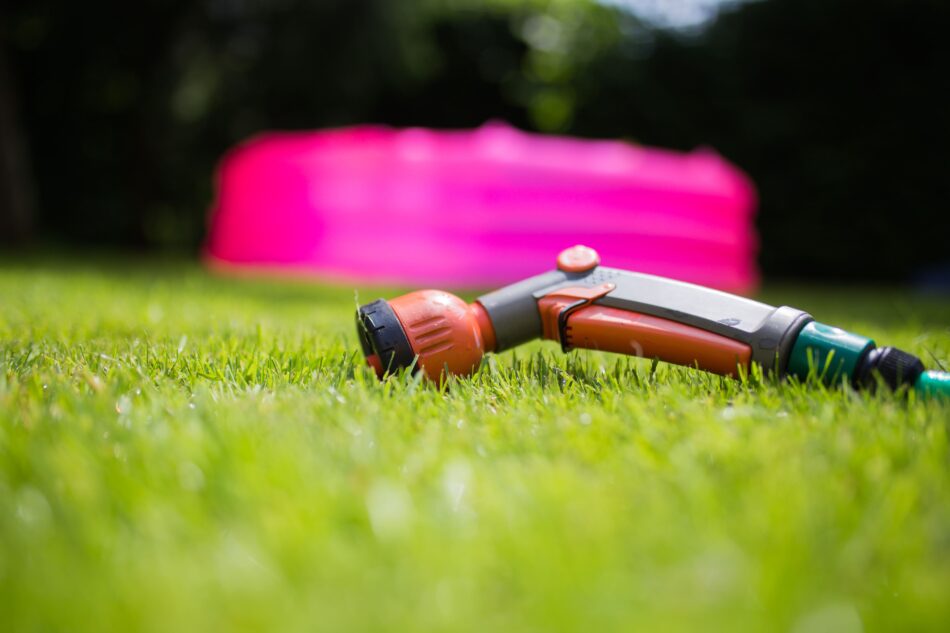
- Garden hose with spray nozzle
- Enzyme-based turf cleaner
- Mild detergent and sponge
- Turf-safe weed killer
Routine upkeep with the right tools ensures your lawn continues to look vibrant, clean, and inviting all year long.
Final Thoughts: Low Maintenance, High Performance
While FieldTurf artificial grass eliminates mowing, watering, and fertilizing, a simple seasonal routine helps you get the best from your investment.
With occasional rinsing, brushing, and debris removal, your turf will continue to deliver:
- Long-lasting color and texture
- Optimal drainage and safety
- Low maintenance for busy lifestyles
At FieldTurf Landscape, we design our turf systems to thrive in every season — from scorching summers to rainy winters. Whether it’s your home, playground, school, or commercial space, you can count on unmatched durability, beauty, and comfort all year round.
Ready to elevate your landscape?
Contact FieldTurf Landscape today for expert advice, professional installation, and long-term turf care solutions.
Visit FieldTurfLandscape.com to explore our collection and get a free consultation.


