
When temperatures drop, a reliable heating system becomes essential for keeping your home comfortable and energy-efficient. But installing a heating system isn’t just about buying the latest model — it’s about making smart decisions during installation that will affect your home’s comfort, energy bills, and system longevity. In this article, we’ll cover everything you need to know about heating system installation, from choosing the right unit to ensuring a professional setup and long-term efficiency.
1. Understanding Heating System Installation
Heating system installation is the process of setting up and connecting your home’s heating equipment — such as furnaces, heat pumps, or boilers — to distribute warm air or water throughout your home. A proper installation ensures that your heating unit performs efficiently, safely, and reliably for years to come.
The installation process involves several critical steps:
-
Assessment and Sizing: Determining the correct capacity for your space.
-
System Selection: Choosing between gas, electric, or hybrid systems.
-
Ductwork and Venting: Ensuring proper air or water circulation.
-
Calibration and Testing: Verifying performance and safety before use.
2. Choosing the Right Heating System
Before scheduling an installation, it’s crucial to pick the right type of system for your home’s layout, climate, and energy goals. Here are some popular options:
a. Furnaces
Furnaces are the most common heating systems, especially in colder regions. They operate by blowing heated air through ducts into rooms. Gas furnaces tend to be the most energy-efficient and affordable in areas with natural gas access.
b. Heat Pumps
Heat pumps provide both heating and cooling, making them versatile and eco-friendly. They work by transferring heat between indoors and outdoors rather than generating it. For moderate climates, they can be a cost-effective option.
c. Boilers
Boilers heat water instead of air and distribute warmth through radiators or underfloor pipes. They’re ideal for homes seeking consistent, even heat and can be powered by gas, oil, or electricity.
d. Ductless Mini-Splits
These systems are perfect for homes without ductwork. Each indoor unit can control temperatures independently, providing flexibility and energy savings.
3. The Importance of Professional Installation
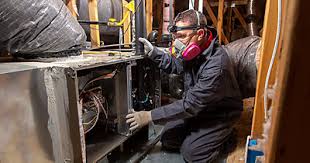
While DIY projects can save money, heating system installation should always be handled by certified professionals. Here’s why:
-
Safety First: Heating systems involve gas lines, high voltage electricity, and ventilation systems. Poor installation can lead to carbon monoxide leaks or electrical hazards.
-
Efficiency and Performance: A properly installed system operates at its rated efficiency, saving energy and reducing utility bills.
-
Warranty Protection: Manufacturers often require professional installation to keep the warranty valid.
-
Accurate Sizing and Calibration: Experts use tools like Manual J calculations to ensure the system matches your home’s heating needs.
4. Steps in the Heating System Installation Process
A professional installation typically includes the following steps:
-
Home Evaluation: Technicians inspect your home’s size, insulation, and ductwork to determine heating requirements.
-
Old System Removal: The existing unit and related components are safely disconnected and removed.
-
New System Setup: The new unit is positioned, connected to ducts or pipes, and wired to the thermostat.
-
Testing and Adjustments: The system is tested for airflow, temperature control, and fuel efficiency.
-
Final Inspection: The installer ensures compliance with local codes and safety standards.
5. Tips for a Successful Heating System Installation
-
Choose a Trusted Contractor: Look for licensed, insured, and experienced HVAC professionals.
-
Check Energy Ratings: Aim for ENERGY STAR-certified systems to maximize efficiency.
-
Plan for Maintenance: Regular maintenance keeps your system running smoothly year after year.
-
Upgrade Your Thermostat: A smart thermostat can help you save on energy bills and monitor performance remotely.
-
Seal and Insulate: Proper insulation and duct sealing improve heating efficiency and comfort.
6. Benefits of a Properly Installed Heating System
A well-installed heating system offers multiple benefits:
-
Consistent indoor comfort and temperature control.
-
Lower energy consumption and monthly bills.
-
Longer equipment lifespan with fewer breakdowns.
-
Improved air quality and humidity balance.
-
Reduced environmental impact.
Frequently Asked Questions (FAQs)
1. How long does a heating system installation take?
Typically, a professional installation takes one to two days, depending on system type and home size.
2. What’s the best time of year to install a heating system?
Spring or early fall is ideal since HVAC contractors are less busy, and you can prepare before the cold season.
3. How much does heating system installation cost?
Costs vary widely — usually between $3,000 to $10,000, depending on the system type, home size, and complexity.
4. Can I install a heating system myself?
DIY installation is not recommended due to safety risks and potential warranty voids. Always hire a professional.
5. How can I make my heating system more energy-efficient?
Regular maintenance, smart thermostats, and proper insulation can significantly improve efficiency and reduce costs.
Conclusion
Investing in a professional Air Conditioner Replacement ensures long-term comfort, efficiency, and safety for your home. From choosing the right system to working with qualified experts, every decision matters. By taking the time to plan your installation properly, you can enjoy warm, cozy winters and lower energy bills for years to come.


