
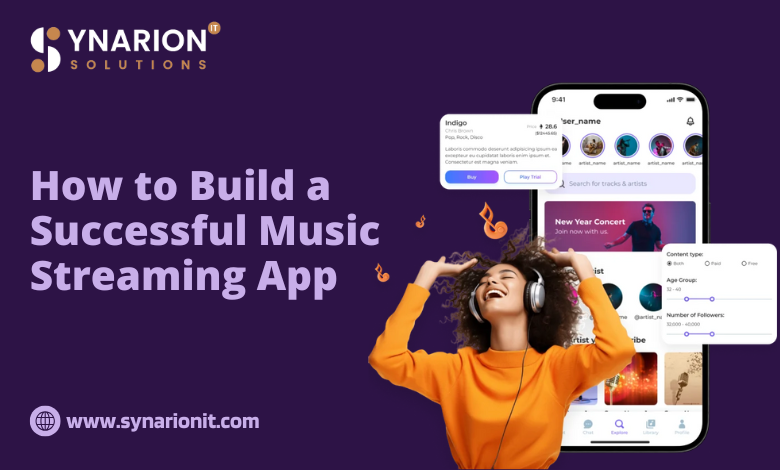
In today’s digital world, music streaming has become the dominant way for people to access and enjoy music. Services like Spotify, Apple Music, and YouTube Music have revolutionized how we listen to music, offering vast libraries of songs that can be streamed on-demand, anytime and anywhere. For those interested in entering the booming music streaming industry, creating a music streaming app is a lucrative opportunity. However, building a successful music streaming app requires careful planning, strategic development, and execution.
This comprehensive guide will walk you through the key steps involved in music streaming app development, the features your app should include, and why partnering with a music streaming app development company could be your best move.
What is a Music Streaming App?
A music streaming app is a platform or service that allows users to listen to music through the internet. Unlike traditional music downloads, music streaming apps let users access songs and playlists in real-time, without the need to store files on their devices. These apps typically feature vast music libraries, personalized recommendations, curated playlists, and social features that enhance user engagement. Most music streaming services operate on a subscription model, though free versions with ads are also common.
Essential Features of a Music Streaming App
When embarking on music streaming app development, it’s crucial to understand the key features that users expect. Here are some essential functionalities that can help your app stand out in a competitive market:
User Registration and Profile Creation
Allow users to create personalized accounts, either through email, social media logins, or Google accounts. A user profile lets them save their favorite songs, create custom playlists, and track their listening history.
Music Library
The core of any music streaming app is its music library. Your app should support a vast selection of songs, albums, and genres. You should work with record labels, independent artists, and music distributors to secure licensing rights for the tracks featured in your app.
Search Functionality
A powerful search feature that allows users to quickly find their favorite songs, albums, or artists is a must. This feature should include filters by genre, year, mood, etc.
Personalized Recommendations
Utilizing machine learning and AI, your app can offer personalized music recommendations based on users’ listening habits, favorite genres, and previous searches. This will help keep users engaged and encourage them to discover new music.
Music Player Interface
The music player is where users will spend most of their time, so it should be sleek, intuitive, and responsive. The player should include features like play, pause, skip, shuffle, repeat, and volume control, along with a clean visual design.
Offline Listening
Allow users to download music for offline listening. This is a highly requested feature, particularly for users with limited internet access or data plans.
Playlists and Curated Content
Give users the ability to create and share playlists. You can also offer curated playlists, either generated by the app or by expert curators, for various moods, activities, or genres.
Social Sharing and Integration
Enable social sharing so users can share their favorite tracks and playlists on social media. Additionally, integrate social features like following friends, liking, and commenting on songs or playlists.
Subscription Models
Offer both free and premium subscription tiers. Free versions often have ads, while premium users can enjoy an ad-free experience with additional features like offline listening, high-quality audio, and early access to new releases.
Push Notifications
Use push notifications to keep users informed about new releases, upcoming concerts, and relevant content. These notifications can help drive engagement and improve retention.
In-app Payment Integration
For subscription-based services, it is necessary to incorporate a secure and efficient payment system for in-app purchases. This could include credit cards, PayPal, or integration with mobile payment solutions.
Analytics Dashboard
Incorporate analytics to track user behavior and app performance. This helps you understand what users like and what needs improvement, providing valuable insights for future updates.
Key Steps in Music Streaming App Development
Building a music streaming app is a multi-phase project that requires careful consideration of various elements. Here are the essential steps involved in music streaming app development:
Market Research and Business Model Definition
Start by researching your target audience, competition, and the market trends in the music streaming industry. Identify what features are most in demand and how you can differentiate your app from the competition. Decide on your business model—whether it will be freemium, subscription-based, or ad-supported.
Conceptualization and Design
Once you have a clear understanding of the market, it’s time to focus on the design. The user experience (UX) and user interface (UI) should be intuitive, aesthetically pleasing, and responsive. Consider hiring professional designers who understand the importance of design in attracting and retaining users.
Choose a Development Platform
You need to decide whether you want to develop your app for iOS, Android, or both. Native app development for each platform provides the best performance, but it’s also more resource-intensive. Alternatively, you can opt for cross-platform development using frameworks like React Native.
App Development
Now comes the development phase, where your app’s features and functionalities come to life. This phase typically involves the backend (server-side development), frontend (client-side development), and integration of APIs for music libraries and payment systems.
Testing and Quality Assurance
Before launching your app, conduct thorough testing to ensure there are no bugs or performance issues. Testing should include functionality, security, and usability tests. You can also perform beta testing with a small group of users to gather feedback.
Launch and Marketing
Once the app is polished and ready, it’s time for launch. Develop a marketing strategy that includes app store optimization (ASO), social media promotions, and partnerships with artists or influencers to generate buzz. Launch your app on popular platforms like Google Play Store and Apple App Store.
Post-Launch Support and Updates
After the launch, your work isn’t over. Gather user feedback and continuously update the app to improve its features and performance. Offer regular bug fixes, new features, and fresh content to keep users engaged.
Why Partner with a Music Streaming App Development Company?
Developing a successful music streaming app is a complex and time-consuming process that requires technical expertise, market knowledge, and a deep understanding of the music industry. Partnering with a music streaming app development company can simplify the process and ensure that your app is built to meet industry standards. These companies specialize in creating high-performance, scalable apps that provide a seamless user experience.
By choosing a trusted music streaming app development company, you can leverage their experience, resources, and expertise to build an app that is not only feature-rich but also optimized for performance, security, and scalability.
Conclusion
Building a successful music streaming app involves a combination of creativity, technical expertise, and market insight. By understanding the essential features, following the key development steps, and collaborating with a skilled music streaming app development company, you can create an app that provides a seamless and enjoyable music experience for users while also positioning your business for success in the competitive streaming market.


