
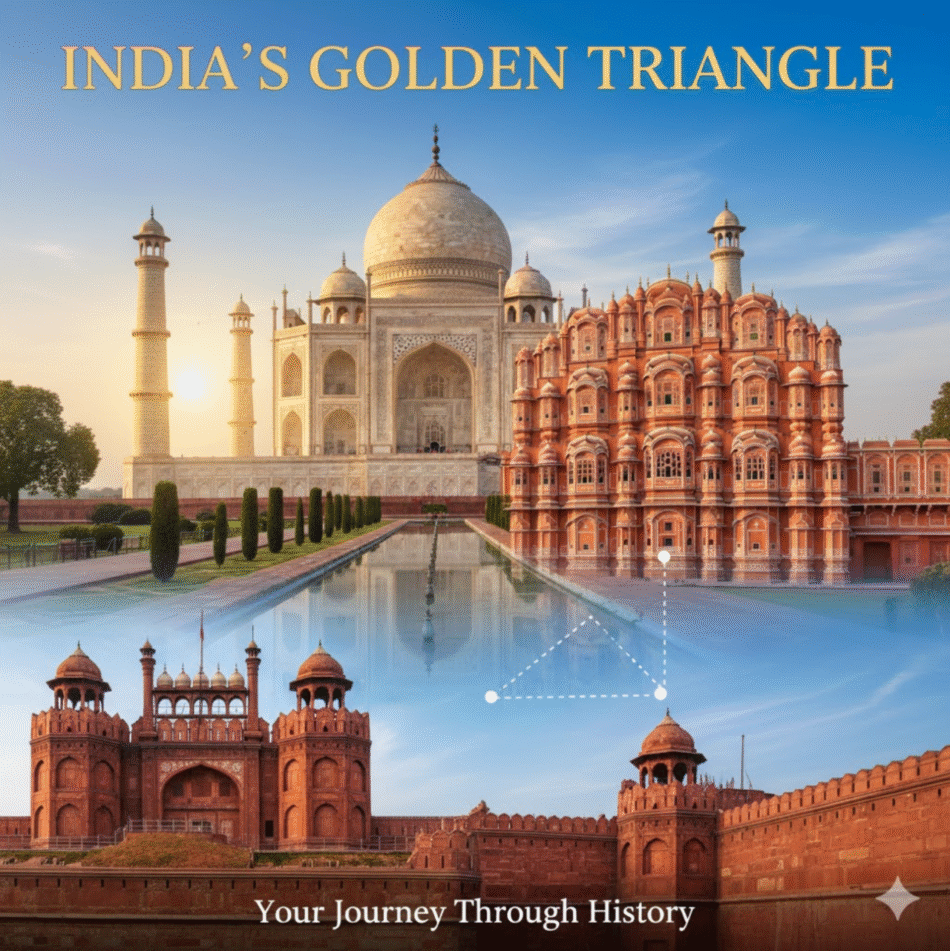
India is a sensory explosion—a spectacular display of colors, sounds, smells, and history that can be both exciting and overwhelming for first-time visitors. To easily understand this overwhelming complexity, most travelers opt for the classic introduction called the Golden Triangle. Connecting the capital, Delhi, Agra, home to the Taj Mahal, and the royal Pink City, Jaipur, this circuit offers a perfect glimpse into the country’s diverse heritage. However, the difference between a chaotic, stressful trip and a smooth, magical experience often lies in the planning. With hundreds of operators flooding the market, choosing the right Golden Triangle Tour Package will be the most important decision you’ll make before your plane lands.
Understanding the Route
Before choosing a package, you need to understand what you’re signing up for. The “Triangle” is named for the triangular shape formed on the map by the locations of New Delhi, Agra, and Jaipur.
Delhi: A political and historical center that offers a blend of Mughal nostalgia and British colonial grandeur. Agra: This city is known for the world’s most famous symbol of love, the Taj Mahal, and the magnificent Agra Fort.
Jaipur: The capital of Rajasthan, renowned for its hill forts, royal palaces, and vibrant bazaars.
A standard road loop is approximately 720 kilometers. While it’s possible to cover it quickly, the quality of your package will determine whether you’ll spend your time enjoying the sights or getting stuck in traffic.
1. Determine the Ideal Duration
The first thing to look for in a package is the speed of the trip. Many operators try to cover the entire circuit in three or four days at a “cheap” price. While this is physically possible, it’s tiring.
- Quick Option (3-4 days): You’ll spend most of your time in the car. You can see the Taj Mahal, but you won’t have time to admire the intricate marble inlay. You’ll visit the Amer Fort, but you might miss the sunset from Nahargarh.
- Ideal Option (6-7 days): This allows for two nights in each city. You can explore hidden sites like the stepwells in Jaipur or Humayun’s Tomb in Delhi without feeling rushed. When comparing packages, always prioritize packages that offer a balanced pace, rather than those that promise to see more sights in less time.
2. Mode of Transport Matters
The quality of your vehicle in India is non-negotiable. Road conditions can vary, and traffic is often unpredictable.
- Group bus tours: These are often the cheapest, but their schedules are very tight. You travel as part of a group, and you only stop where there are commission shops.
- Private car and driver: This is the gold standard for Golden Triangle trips. A private car gives you the freedom to start your day when you want, stop for photos of peacocks or camel carts, and take bathroom breaks in clean areas. Make sure the package specifies the type of car (e.g., sedan vs. SUV like the Innova). If you’re traveling with family, always upgrade to a larger vehicle for more legroom.
3. Accommodation Standards
The definition of a “3-star hotel” can vary greatly. A good tour package will list the specific hotels they recommend, or at least the category.
- Heritage Hotels: In Jaipur and parts of Delhi, look for packages that offer accommodations in “heritage properties.” These are old mansions or palaces that have been converted into hotels. They offer an authentic atmosphere that modern chains can’t recreate.
- Location: Check the hotel’s location on Google Maps. Are they central? Hotels on the outskirts of Delhi may be cheaper, but you’ll lose two hours of commuting time every day.
4. Transparency in Inclusions and Exclusions
The price tag you see is rarely the final price you pay, unless you read the fine print. The “best” package isn’t the cheapest, but it is the most transparent.
- Monuments: Does the price include entry tickets? Foreign tourist tickets for the Taj Mahal and other monuments are significantly higher than domestic tickets. Some packages omit these to show a lower starting price.
- Guiding Services: Does the package include a government-approved guide? A knowledgeable guide brings life to the stones with tales of kings and intrigue. Avoid packages that leave you to explore forts alone or hire unlicensed “escorts.”
- Taxes and Tolls: Make sure all tolls, state taxes, parking fees, and driver allowances are included. You don’t want to be asked for cash at every border crossing.
5. Flexibility and Customization
India is a place of impromptu events. You might pass by a stunning local wedding and want to see it, or you might find a market you’d like to explore for an hour longer. Rigid, pre-arranged packages eliminate this impromptu nature.
- Find operators who describe their itineraries as “customizable.”
- Ask if you can visit a spice market instead of a trendy mall.
- See if the driver is flexible with dinner timings. The ability to adapt a trip to suit your mood is what separates a tourist activity from a travel experience.
6. Safety and Reliability
Safety is paramount for international travelers. In the digital age, a flashy website isn’t a guarantee of trustworthiness.
- Reviews: Look beyond the testimonials on their website. In particular, check TripAdvisor or Google Reviews to learn about their drivers. Was the driver polite? Did they drive safely? Did they speak English?
- Support: Does the company offer 24/7 on-ground support? If you get a flat tire on the Yamuna Expressway or have a medical problem in Agra, you should know that a dispatch team is ready to help you immediately.
7. The “Shopping” Trap
A common problem with budget packages is “shopping stops.” The driver or guide may pressure you to visit specific shops selling marble, carpets, or jewelry because they receive a commission.
- Solution: Choose a good agency that has a strict “no pressure” policy. Shopping is perfectly fine, but it should be done at places of your choice, not at the driver’s behest. Premium packages often clearly state that they do not enforce shopping stops.
Conclusion
Planning your first trip to India should be filled with anticipation, not anxiety. The Golden Triangle is truly the best way to explore the subcontinent’s rich cultural landscape. It showcases a diverse array of architectural wonders, from the red sandstone of the Mughals to the pink hues of the Rajputs. By focusing on transportation quality, cost transparency, and itinerary flexibility, you can ensure a comfortable and safe trip. Instead of worrying about the road, you’ll be free to immerse yourself in the magic of your destination. For a travel partner who understands these nuances and provides reliable, customer-centric service, consider booking your trip with Rajasthan Cab.


