
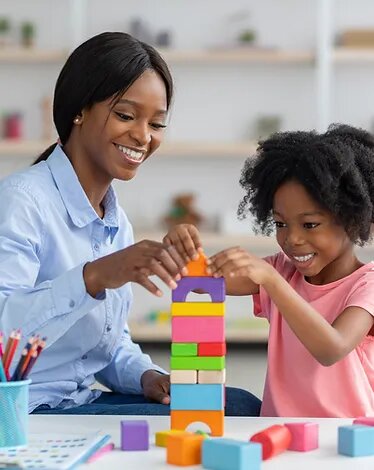
Building social skills for kids with autism is an important part of helping them communicate, make friends, and feel confident in daily life. Many children with autism struggle with things like starting conversations, understanding body language, sharing, or joining group activities. With the right support, they can learn these skills step by step.
This blog shares simple, clear information based on the concepts explained on the Sami’s Angels ABA website. It explains what social skills are, why they matter, and how training helps children learn and grow.
What Are Social Skills?
Social skills are the everyday behaviors we use to communicate with others. These include:
-
Saying hello
-
Taking turns
-
Sharing
-
Understanding emotions
-
Joining play
-
Listening
-
Asking questions
-
Showing empathy
For many kids with autism, these skills do not come naturally. They may need extra guidance, practice, and support to understand how social interactions work.
Why Social Skills Matter for Kids With Autism
Good social skills help children:
-
Build friendships
-
Feel confident in social situations
-
Communicate better with family and classmates
-
Understand other people’s feelings
-
Join activities at school and in the community
-
Reduce stress during conversations or group play
Learning social skills can make daily life easier and more enjoyable for a child.
How Social Skills Training Helps
Social skills training is a structured program that teaches children the basics of social interaction. According to the approach described on the Sami’s Angels ABA website, training usually includes:
1. Simple and Clear Teaching
Children are taught social behaviors step by step.
For example:
-
How to greet someone
-
How to respond when someone speaks
-
How to take turns
-
How to express emotions
Each skill is explained clearly and practiced until the child feels comfortable.
2. Practice in Real-Life Situations
Children participate in conversations, games, and role-play. This helps them practice skills they learn in a fun and natural way.
3. Small Groups or One-on-One Sessions
Social skills can be taught individually or in small groups with peers. Group sessions help children practice interacting with others.
4. Supportive and Safe Environment
The training is done in a calm and structured setting so the child can learn without feeling stressed.
5. Guidance From Professionals
Therapists, teachers, and trained staff guide the child. They use techniques that match the child’s needs, behavior, and communication style.
Benefits of Social Skills Training
Social skills training offers many advantages, including:
• Better Communication
Children learn how to start conversations, respond, and understand facial expressions or tone of voice.
• Making Friends
They become more comfortable playing, sharing, and joining groups, which makes it easier to make friends.
• Lower Anxiety
Kids feel less confused and stressed in social situations when they know what to expect.
• Improved Emotional Understanding
Children learn to identify feelings — both their own and other people’s. This builds empathy.
• Higher Confidence
Each new skill helps the child feel more confident and independent.
• Better Classroom Participation
Children learn important school behaviors like raising hands, listening, working in groups, and asking for help.
How Parents Can Help at Home
Parents play a big role in building social skills. Here are simple ways to help:
1. Practice Basic Social Routines
Teach greetings, saying “please,” “thank you,” and asking simple questions.
2. Use Visual Aids
Pictures, charts, or social stories help children understand what to expect in different situations.
3. Play Games
Games like board games or outdoor activities teach turn-taking, sharing, and teamwork.
4. Role-Play Situations
Practice things like ordering food, asking for a toy, or inviting someone to play.
5. Repeat and Reinforce
Children learn best with repetition. Praise small successes and encourage them gently.
6. Create Opportunities for Interaction
Arrange playdates, group activities, or family game nights to help kids practice safely.
Who Helps With Social Skills Development?
Many professionals can help teach social skills, such as:
-
Behavioral therapists
-
Special education teachers
-
Speech therapists
-
Occupational therapists
-
School counselors
Working together, they support the child in different environments — at home, school, or therapy sessions.
Important Reminder
Every child learns at their own pace. Some may learn social skills quickly, while others need more time and practice. That’s completely okay. The goal is not to make the child “act” like everyone else — but to help them communicate comfortably, make connections, and feel confident in social situations.
Patience, consistency, and love make a big difference.
Final Thoughts
Improving social skills for kids with autism is one of the most helpful steps for their overall growth. With structured training, everyday practice, and supportive adults, children can learn how to communicate better, make friends, and feel more confident wherever they go.


