
Introduction
In today’s world, where supermarket shelves are crowded with refined and processed products, more people are searching for natural and wholesome alternatives. One such gem making its way back into Indian kitchens is Wood Pressed Coconut Oil. This traditional oil, extracted without heat or chemicals, has stood the test of time as a healthier, tastier, and more sustainable choice. Far more than just another cooking oil, it carries the legacy of Indian artisanal methods and centuries of cultural wisdom.
Let’s dive into what makes Coconut Oil, especially the wood pressed variety, such a remarkable health secret and why it’s becoming a staple for modern households.
What is Wood Pressed Coconut Oil?
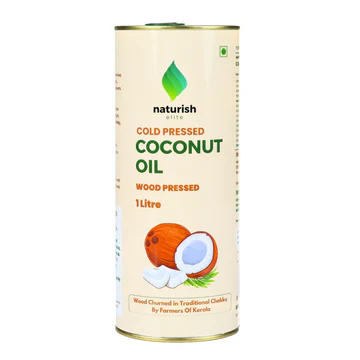
Wood pressing, often called cold pressing in other parts of the world, is an age-old technique. Coconuts are handpicked, dried naturally, and crushed in wooden churners called ghani at low temperatures. This process ensures that the oil retains its nutrients, natural aroma, and authentic taste.
Unlike refined or solvent-extracted oils, wood pressed varieties are free from additives, bleaching agents, and high-heat damage. The result is a pure, golden oil packed with natural goodness.
Why Choose Wood Pressed Over Refined Oils?
1. Nutrient Retention
When oils are refined at high temperatures, essential fatty acids, antioxidants, and vitamins are destroyed. Wood pressing preserves nutrients like Vitamin E, lauric acid, and medium-chain triglycerides (MCTs), which are excellent for energy and immunity.
2. Authentic Flavour
Anyone who has cooked with wood pressed coconut oil knows the difference. Its mild yet distinct nutty flavour enhances curries, stir-fries, and even baked goods, bringing an authentic South Indian touch to meals.
3. Gentle on Digestion
Because it is chemical-free and unrefined, wood pressed oil is easier on the stomach. The natural MCTs in coconut oil are quickly absorbed, providing a quick energy boost without burdening digestion.
Health Benefits of Wood Pressed Coconut Oil
Boosts Immunity
Rich in lauric acid, wood pressed coconut oil has antibacterial and antiviral properties that strengthen the body’s defences against infections.
Supports Heart Health
While many worry about saturated fats, the type found in coconut oil can actually support good cholesterol (HDL) and balance overall lipid profiles when consumed in moderation.
Promotes Healthy Skin and Hair
For centuries, Indians have applied coconut oil as a moisturiser and hair tonic. Wood pressed oil is especially effective as it is free from chemicals, making it ideal for nourishing skin and strengthening hair.
Aids Weight Management
MCTs in coconut oil are known to boost metabolism, helping the body burn fat more efficiently. When paired with an active lifestyle, it may assist in maintaining a healthy weight.
A Versatile Cooking Oil for Modern Kitchens
One of the greatest advantages of Wood Pressed Coconut Oil is its versatility in the kitchen.
- For everyday cooking: Use it in curries, sautéed vegetables, or as a base for tempering. Its stable structure makes it suitable for medium-heat cooking.
- For baking: Replace butter or refined oils with coconut oil to give cakes and breads a moist texture with a subtle flavour.
- For salads: A drizzle of coconut oil over salads or smoothies adds a nutritious twist.
- For traditional recipes: Kerala’s avial, fish curries, and chutneys shine when prepared with coconut oil, capturing the authentic taste of coastal cuisine.
The Cultural Connection
Coconut oil has deep cultural roots in India, particularly in states like Kerala, Tamil Nadu, and coastal Karnataka. For generations, it has been used not only in cooking but also in Ayurvedic practices, religious rituals, and home remedies. Choosing wood pressed coconut oil today is a way of reconnecting with that heritage while embracing a healthier lifestyle.
How to Identify Genuine Wood Pressed Coconut Oil
As the popularity of this artisanal oil grows, so does the risk of adulterated or misleading products. Here are a few tips:
- Check the label: Look for “wood pressed” or “cold pressed” clearly mentioned.
- Observe the colour and aroma: Pure coconut oil has a light golden hue and a mild nutty fragrance.
- Packaging: Choose brands that use glass bottles or food-grade containers to preserve freshness.
- Source transparency: Trust producers who disclose sourcing methods and use organically farmed coconuts.
Sustainability Aspect
Choosing wood pressed oils also supports small-scale farmers and traditional producers. Unlike industrial refining, the artisanal method uses minimal energy and avoids harmful chemicals, making it kinder to the environment. By opting for this oil, you’re not just investing in your health but also contributing to sustainable livelihoods and eco-friendly practices.
Conclusion
Wood Pressed Coconut Oil is more than just a cooking ingredient – it is a bridge between India’s rich traditions and today’s health-conscious lifestyle. Packed with nutrients, versatile in use, and rooted in sustainable practices, it truly deserves its reputation as an artisanal health secret. Whether you’re looking to improve your cooking, enhance your wellbeing, or support eco-friendly living, this natural cooking oil makes an excellent choice.
FAQs
1. Can I use wood pressed coconut oil for frying?
Yes, but it is best suited for medium-heat cooking. For deep frying, you may want to use oils with higher smoke points, but for sautéing and shallow frying, coconut oil works beautifully.
2. Is there a difference between cold pressed and wood pressed coconut oil?
The terms are often used interchangeably. However, wood pressed specifically refers to the traditional Indian method using wooden churners, while cold pressed is the broader global term.
3. How should I store wood pressed coconut oil?
Keep it in a cool, dark place away from direct sunlight. In colder climates, the oil may solidify, but that does not affect its quality. Simply warm the container slightly to return it to liquid form.


